
How to Sell to a Gold and Silver Refiner: Getting Direct Payouts
The problem most folks face is a lack of access. You find a heavy gold chain or a pile of sterling silver, but you don’t know who actually melts it down. You go to a jewelry store or a pawn shop because they are easy to find and they pay cash. If you have already done a little research, you know the “spot price” of gold is high, but the guy behind the counter is only offering you 50% or 60% of that value. It feels like you are doing all the hard work of scouting and identifying the metal just so a guy in a suit can take the biggest cut.
The solution is to sell directly to a “Precious Metals Refiner” or an “Assayer.” These are the industrial companies that melt scrap metal down and turn it back into pure bullion. They don’t care about the “beauty” of a ring or the “history” of a spoon. They only care about the weight and the purity. By cutting out the middleman, you can move your payout from 60% of spot price up to 90% or even 98%. When you deal with a refiner, you are finally getting paid for the true value of your metal.
What is a Precious Metals Refiner?
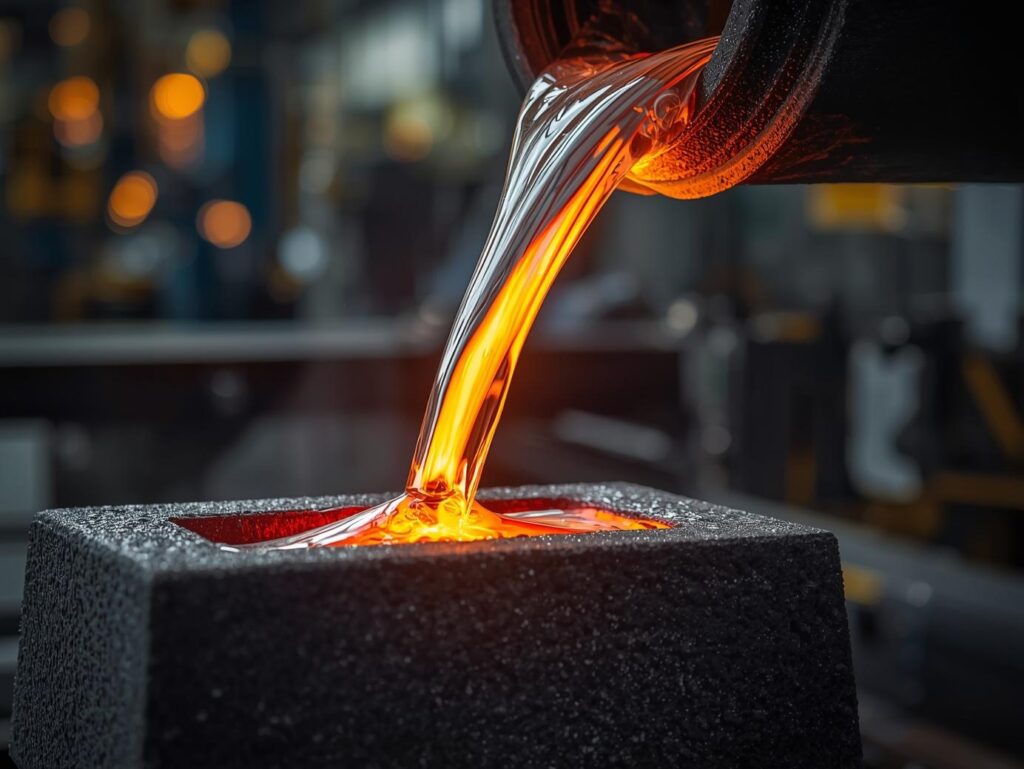
In the business, we call these companies “Secondary Smelters.” They are classified under the trade code NAICS 331410 (Nonferrous Metal Smelting and Refining). Unlike a scrap yard that handles iron and copper, a refiner is a high-tech lab. They use extreme heat and chemicals to separate the gold, silver, and platinum from the “junk” metals like copper or nickel.
When you send your metal to a refiner, it goes through a process called “Melt and Assay.”
- The Melt: They put all your gold or silver into a crucible and melt it into one solid bar (an ingot).
- The Assay: They take a tiny sample of that bar and test it to find the exact purity. In the old days, they used “Fire Assay,” which involves melting the sample again with lead and bone ash. Today, most use an “XRF” (X-ray Fluorescence) machine that tells them the chemical makeup in seconds.
Once the assay is done, they tell you exactly how many “Fine Ounces” (pure metal) you have. They pay you based on that number, minus a small refining fee. This is the most honest way to get paid in the trade.
How to Find and Contact a Real Refiner
You won’t usually find a refiner in a strip mall. They are usually in industrial parks or near major cities. Look for companies with names like “Refining,” “Bullion Exchange,” or “Assayers.”
When you call them, don’t talk like a guy who found a ring in the dirt. Talk like a supplier. Tell them, “I have a lot of sterling silver scrap and 14k gold. I’m looking for your current payout percentage and your refining fees.”
A reputable refiner will be happy to tell you. If they are evasive or ask you to “just bring it in and we’ll see,” keep moving. A pro refiner has a clear fee schedule. They will often have a “minimum” amount, like 5 ounces of gold or 50 ounces of silver, to make it worth their time.
Starting a Precious Metals Buying Business
If you want to scale up and become the person that others sell to, you can start your own “Buying Office.” This is how you move from a collector to a broker.
The Setup:
- The Location: You don’t need a massive warehouse. A small, secure office with a good safe is enough to start.
- The Tools: You need a high-quality digital scale that measures in grams and “Pennyweights” (DWT). You also need a testing kit. While a $15,000 XRF machine is great for later, a simple “Acid Test” kit and a “Testing Stone” will get you started for under fifty dollars.
- The Licenses: You will need a “Precious Metals Dealer” license from your city or state. You will also need to follow “Anti-Money Laundering” (AML) laws, which means keeping records of who you buy from.
- The Capital: You need a “bankroll” to pay people on the spot. You buy from the public at 70% of spot, and then you send a big batch to the refiner once a month for a 95% payout. That 25% spread is where your profit lives.
The “Secret Sauce”: The Magnet and “Ice” Test Combo
I want to give you a tip that will save you from buying “fake” gold or silver that can fool even an acid test.
Did you know? Some high-end fakes are “thick-plated.” They have a heavy layer of gold or silver over a core of tungsten or brass. An acid test only checks the surface, so it will tell you the piece is real.
The Tip: Before you ever put acid on a piece, use the “Weight and Ice” method.
- For Silver: Place an ice cube on the item. Because silver is the best conductor of heat, the ice will start melting instantly, faster than it would on any other metal. It should feel like the ice is sitting on a hot stove.
- For Gold: Check the “Specific Gravity.” Real gold is incredibly dense. If a “gold” bar feels light for its size, it’s a fake.
- The Magnet: This is the first step. If a piece of “gold” or “silver” sticks to a magnet, even a little bit, walk away. It is steel or nickel with a coat of paint.
Integrity and the Long Game
In the precious metals trade, your reputation is the only thing that protects you from the law and from loss. When you deal with a refiner, play it straight. If you have “plated” items, keep them separated. Don’t try to sneak them into a melt to get a higher weight. The refiner’s assay will catch it, and you will be blacklisted or charged a “penalty fee.”
Always check your local laws. Most states require you to hold a piece of jewelry for a certain number of days (usually 7 to 15) before you can melt it or sell it. This is to ensure it wasn’t stolen. If you skip this step, you are risking your business and your freedom.
Treat every customer with respect. If you are the guy who explains the market and offers a fair price, the leads will start coming to you. People will bring you their family’s “shoe box” of jewelry because they trust you to give them a straight deal.
***
Ulysses’ Safety Reminder: When you are carrying precious metals, stay alert. Don’t broadcast your business. If you are mailing a package to a refiner, never write “Gold” or “Jewelry” on the outside of the box. Use the company’s initials or a generic name. Insure every package for the full value and use a “Registered Mail” service that requires a signature at every stop. Stay safe out there.
Specialist Scrap Buyers
Knowledge is the only thing that doesn’t weigh down the truck.
- Gold and Silver Refiners: Skip the pawn shops and jewelry stores to sell directly to the industrial furnaces for high-percentage payouts.
- Plastic Polymer Brokers: Turn the “waste” casings from appliances into industrial feedstock like ABS and HDPE.
- Textile Rag Houses: Move bulk clothing and linens by the ton for export, vintage resale, or industrial wiping rags.
- Automotive Core Buyers: Stop selling starters and alternators for scrap weight and start selling them as rebuildable units.
- E-Waste Motherboard Specialists: Move beyond “shred” prices by grading circuit boards based on their gold and precious metal content.
- Lead-Acid Battery Wholesalers: Aggregate your car and industrial batteries into pallets to get the top-tier lead prices.
- Catalytic Converter Specialists: Use serial numbers and PGM assays to get paid for the platinum, palladium, and rhodium inside the shell.
- Cardboard and Paper Pulp Brokers: Manage high-volume fiber by baling cardboard to “Mill-Spec” standards for a steady paycheck.
- Used Oil and Chemical Recovery Firms: Turn a messy liability into “liquid gold” by selling bulk fluids for re-refining.
- Pallet Brokers: Turn used wood into a high-velocity business by sourcing and repairing GMA-standard shipping pallets.
- Glass Cullet Buyers: Sort glass by color and purity to supply the bottling and fiberglass industries.
- Appliance Parts Liquidators: Harvest the control boards and motors from “white goods” to sell to the repair industry.
- Specialty Non-Ferrous Smelters: Identify and sell high-temp “super-alloys” like Titanium, Inconel, and Monel by their specific chemistry.
- Used Tire Casing Buyers: Grade your used rubber to find “buildable” carcasses for the retread industry.
- Drum and Tote Reconditioners: Sell your clean 55-gallon barrels and IBC tanks to firms that wash and re-certify them for reuse.