
Specialty Non-Ferrous Smelters: Getting Paid for High-Temp Alloys
We’re going to talk about the “space age” metals today. If you’ve ever cleaned out a machine shop, a chemical plant, or an aerospace hanger, you’ve probably run into some metals that look like stainless steel but feel different. They are heavier, tougher, and they don’t behave like the common stuff.
Most folks in this trade make a massive mistake here. They find a heavy valve or a jet engine part and take it to the local yard. Because the metal isn’t magnetic, the buyer calls it “Stainless Steel” or maybe “Dirty Zinc.” You get paid forty cents a pound for a material that the world is desperate to find. We all make mistakes, sometimes that is the only way to learn but we’re going to fix that. There is a world of buyers called Specialty Non-Ferrous Smelters who want these metals, and they will pay you by the specific element.
The problem with specialty alloys is the “identification gap.” You find a bucket of bolts or a turbine blade that weighs a ton and won’t rust, but the local yard doesn’t have the tools to tell you what it is or calls it something it is not. This can be frustrating because you know it came from a high-performance environment – like a jet engine or a deep-sea oil rig – but you’re paid the same price as an old kitchen sink. Your scrap price is being averaged down by the buyer’s lack of knowledge but also your lack of knowledge. You are losing value because you are selling to a generalist instead of a specialist.
The solution is to find a Specialty Non-Ferrous Smelter or an “Exotic Metal Broker.” These are companies that don’t just melt metal; they analyze the chemistry. They use “XRF” (X-ray Fluorescence) guns to tell exactly how much Nickel, Cobalt, or Titanium is in your scrap. They fall under NAICS 331492 (Nonferrous Metal Refining, except Copper and Aluminum). By learning how to separate these “exotics” from common stainless steel, you turn a heavy bucket into a heavy paycheck. You stop being a “shred” hauler and start being a supplier to the aerospace and medical industries.
What is a Specialty Non-Ferrous Smelter?
In the business, these buyers are known as “Exotic Houses” or “Alloy Refiners.” They handle the metals that can survive extreme heat and corrosion. These are the “Super-Metals” of the world, and they carry names you need to know:
- Titanium: Light as aluminum but strong as steel. Used in aerospace and medical implants.
- Inconel: A nickel-chromium alloy that loves heat. Found in exhaust systems and jet engines.
- Monel: A nickel-copper alloy that hates salt water. Found in marine hardware and valves.
- Hastelloy: The king of chemical resistance. Found in tanks and pipes that hold acid.
A specialty smelter buys these by the specific “Grade.” They don’t want a mixed pile; they want “Inconel 718” or “Titanium 6-4.”
How to Find and Work with an Alloy Specialist
You won’t find these buyers in a retail shop. You need to look for “High-Temp Alloy Recycling” or “Aerospace Scrap Processors.” Companies like Monico Alloys or ELG Metals are international players, but there are specialized brokers in every major industrial hub (like Houston, Seattle, or Hartford).
When you call a specialist, don’t ask for a “stainless price.” Ask for their “current buy-back on Nickel-based superalloys.” To get the top dollar, you need to understand their “In-Gate” requirements:
- Cleanliness: Exotics must be free of oil, grease, and “attachments.” If a Titanium part has a steel bolt in it, it’s “dirty.”
- The Cut: Some smelters want large parts “sized” (cut down) to fit in their furnaces. Ask about their maximum size before you show up.
- Verification: Most specialists will use a “Spectrometer” or an XRF gun right at the scale to verify the chemistry.
Starting an Exotic Metal Brokerage
If you have a relationship with local machine shops or turbine repair facilities, you can build an “Exotic Route.” This is a high-value, low-volume business. You don’t need a semi-truck; you need a clean van and a good eye.
The Setup:
- The Route: Focus on “Precision Machine Shops.” These places work with expensive alloys and often have “turnings” or “solids” (scrap pieces) that they don’t want to mix with their regular steel. Offer to provide them with specialized, labeled bins for their exotics.
- The Tools: You need a high-quality magnet (to ensure no steel is mixed in) and a set of “Alloy ID Acids” or a handheld XRF gun if you can afford the investment. An XRF gun is the “Master Key” to the trade – it tells you exactly what the metal is in five seconds.
- The Payout: This is an “arbitrage” game. You buy the exotics from the machine shop for a fair price – higher than the local yard but lower than the smelter – and you aggregate the material into “Full-Grade” barrels. When you have a thousand pounds of pure Monel, you call the smelter for the top-tier payout.
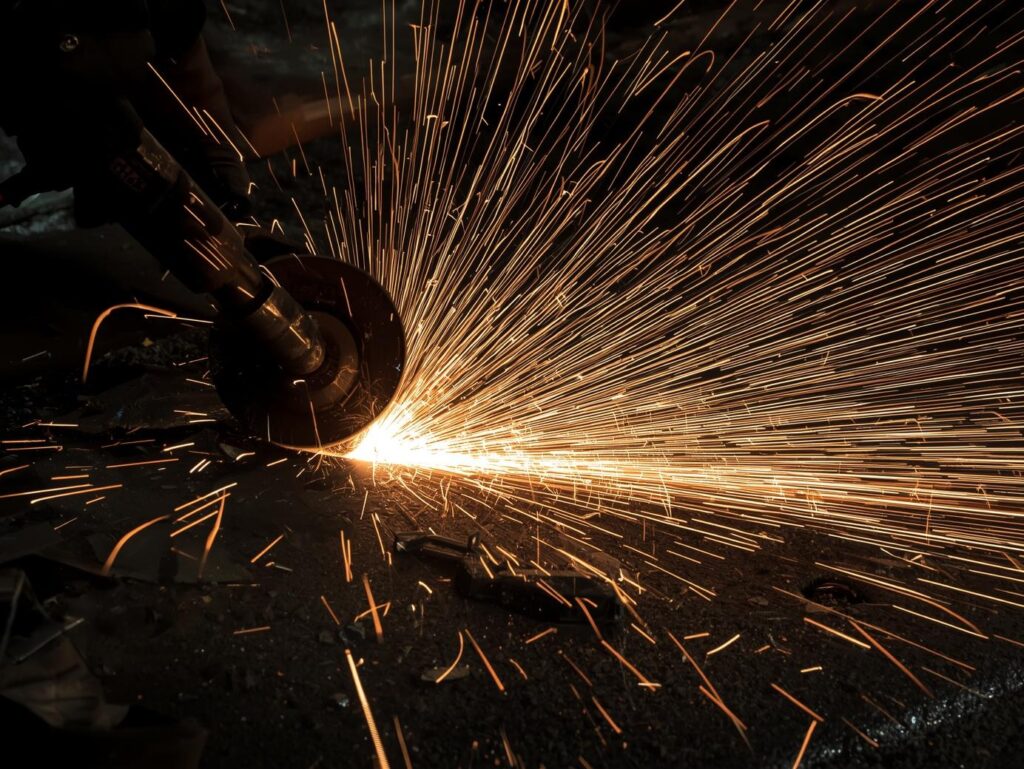
The “Secret Sauce”: The “Angle Grinder Spark” Test
I want to give you a tip that will help you identify exotics in the field without spending thirty thousand dollars on a laser gun. This is the old-school way to tell a “Sleeper” alloy from common steel.
Did you know? Different metals create different “spark patterns” when you hit them with a grinder. This is because of how the different elements (like Titanium or Cobalt) react with the oxygen in the air as they are sheared off.
The Tip: Carry a small cordless angle grinder with a clean stone. Give the mystery metal a quick touch.
- Titanium: This is the easiest to spot. It creates a shower of brilliant, blinding white sparks. No other common metal does this. If you see white sparks, you are holding money.
- Inconel/High-Nickel: These create very short, red or orange sparks that don’t “fork” (explode at the end).
- Stainless Steel: Creates long, straw-colored sparks that “fork” at the end.
- The Pro Move: Keep a “known sample” of Titanium and 304 Stainless in your truck. Compare the sparks from the mystery metal to your samples. It’s the fastest way to sort a bin and find the exotics.
Integrity and the Trade
In the exotic metal business, your reputation is built on “Source Integrity.” Smelters are very careful about where these metals come from, especially if they are aerospace or military-grade parts.
Play it straight. Never try to sell “counterfeit” alloys or mix lower grades into a high-grade barrel. If you sell a barrel as “Titanium” and it has 10% stainless in it, you can ruin a whole furnace “melt.” The smelter will charge you for the damage and you’ll never work in that town again. Being the person who provides “Chemistry-Guaranteed” loads is how you get the best contracts.
Always check your local laws. Some high-temp alloys are “Controlled Materials” (ITAR) because they are used in defense. Make sure you know where your scrap came from and that you have the right to sell it.
***
Ulysses’ Safety Reminder: High-temp alloys are tough. They are hard to cut and even harder to drill. If you are “sizing” scrap, watch for “Work Hardening” – the metal gets harder as it gets hot, and it can snap your drill bits or saw blades. Also, Titanium dust is flammable. If you are grinding or sawing a lot of Titanium, do not let the dust pile up. It can ignite and it is very hard to put out. Wear your leather apron and keep your shop clean. Stay sharp and stay safe.
Specialist Scrap Buyers
Knowledge is the only thing that doesn’t weigh down the truck.
- Gold and Silver Refiners: Skip the pawn shops and jewelry stores to sell directly to the industrial furnaces for high-percentage payouts.
- Plastic Polymer Brokers: Turn the “waste” casings from appliances into industrial feedstock like ABS and HDPE.
- Textile Rag Houses: Move bulk clothing and linens by the ton for export, vintage resale, or industrial wiping rags.
- Automotive Core Buyers: Stop selling starters and alternators for scrap weight and start selling them as rebuildable units.
- E-Waste Motherboard Specialists: Move beyond “shred” prices by grading circuit boards based on their gold and precious metal content.
- Lead-Acid Battery Wholesalers: Aggregate your car and industrial batteries into pallets to get the top-tier lead prices.
- Catalytic Converter Specialists: Use serial numbers and PGM assays to get paid for the platinum, palladium, and rhodium inside the shell.
- Cardboard and Paper Pulp Brokers: Manage high-volume fiber by baling cardboard to “Mill-Spec” standards for a steady paycheck.
- Used Oil and Chemical Recovery Firms: Turn a messy liability into “liquid gold” by selling bulk fluids for re-refining.
- Pallet Brokers: Turn used wood into a high-velocity business by sourcing and repairing GMA-standard shipping pallets.
- Glass Cullet Buyers: Sort glass by color and purity to supply the bottling and fiberglass industries.
- Appliance Parts Liquidators: Harvest the control boards and motors from “white goods” to sell to the repair industry.
- Specialty Non-Ferrous Smelters: Identify and sell high-temp “super-alloys” like Titanium, Inconel, and Monel by their specific chemistry.
- Used Tire Casing Buyers: Grade your used rubber to find “buildable” carcasses for the retread industry.
- Drum and Tote Reconditioners: Sell your clean 55-gallon barrels and IBC tanks to firms that wash and re-certify them for reuse.