
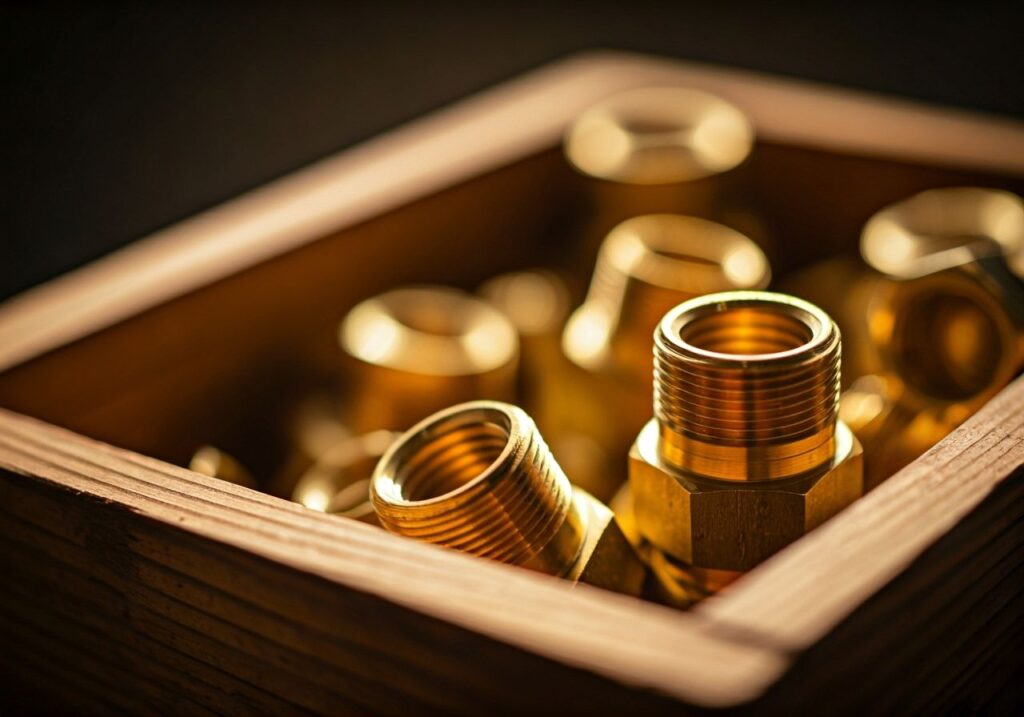
The Professional Scrapper’s Kit: 12 Essential Tools for the Trade
What tools do you need to scrap metal at home. The problem most people face when starting in the secondary market is “labor fatigue.” You find a great haul of insulated copper wire or a heavy industrial motor, but you realize it is going to take you five hours of back-breaking work with a utility knife and a hacksaw to get to the clean metal. You see the profit sitting there, but the thought of the manual labor makes you want to just toss it in the “shred” pile and take the lower price. It is frustrating to leave money on the table just because you do not have the right mechanical advantage.
The solution is to invest in specialized tools designed for the unique challenges of the trade. These are not your standard household tools; these are the gadgets that allow you to identify, weigh, and process metal with industrial speed. When you have the right gear, you stop struggling with the material and start managing your inventory like a professional. You will find that a small investment in the right tool today can pay for itself in a single afternoon of processing.
Links Open New Window 
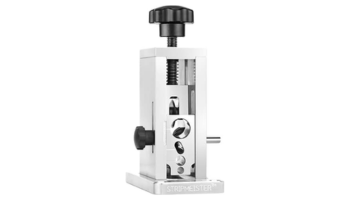
Tabletop Manual Wire Stripper
Don’t waste your life with a utility knife. These specialized strippers mount to your workbench and use a hand crank or a standard power drill to pull wire through a hardened blade. It turns a mountain of insulated wire into “Bare Bright” in minutes.
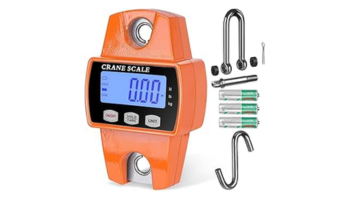
Digital Crane Scales
If you want to know your profit before you hit the yard, you need a way to weigh the big stuff. These scales hang from a hoist or a forklift and can weigh up to 2,000 pounds with digital precision. No more guessing the weight of an engine block or a crate of copper.
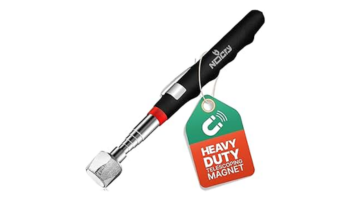
N52 Neodymium Telescoping Magnet
A standard refrigerator magnet will not cut it. You need a high-strength “Rare Earth” magnet that can pull through layers of paint or grease to tell you if there is steel hidden inside a “brass” valve.
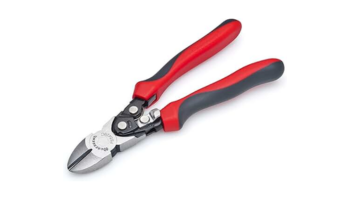
Compound Action Cable Cutters
Standard snips will fail on heavy-gauge power cables. Compound action cutters use a geared mechanism to cut through 500 MCM copper like it was a piece of rope. It is the difference between a clean cut and a sore wrist.
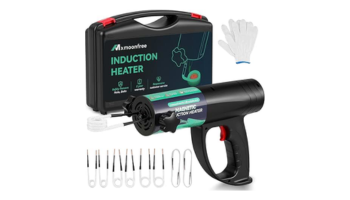
Portable Induction Heater
When you are trying to get a high-value brass valve off a rusted steel pipe, a torch can be dangerous and messy. An induction heater uses a magnetic field to turn a bolt red-hot in seconds without an open flame.
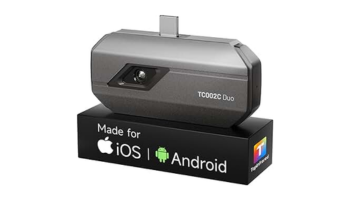
Thermal Imaging Camera
This is a master’s secret. Use a compact thermal camera to “see” electricity. It can tell you if a motor is still hot, if a transformer is under load, or if a wire is live before you ever touch it. It is a safety tool that pays for itself.
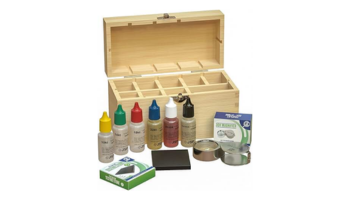
Alloy ID Acid Testing Kit
If you deal in gold, silver, or high-nickel alloys, you cannot guess. A professional acid kit allows you to perform a scratch test on the spot to verify the purity of precious metals and exotics like Monel or Inconel.
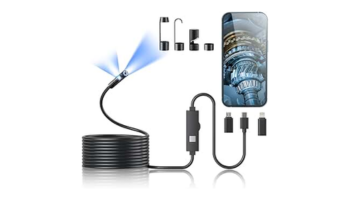
Wireless Endoscope Camera
Ever wonder if that sealed copper tank is empty or full of valuable residue? A tiny camera on a flexible cable connects to your phone so you can see inside engines, pipes, and tanks without cutting them open first.
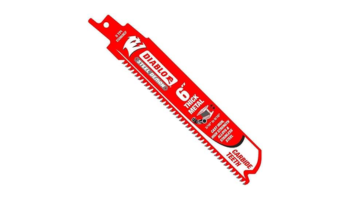
Thick Metal Saw Blades
Most blades at the local store are made for wood or thin tin. You need specialized carbide-tipped blades designed specifically to cut through cast iron and heavy steel plate without dulling in thirty seconds.
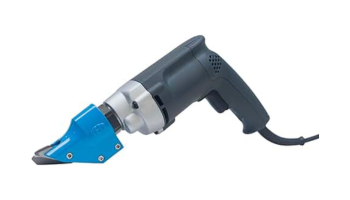
Electric Double-Cut Metal Shears
If you are processing a lot of sheet copper or aluminum siding, these shears are a godsend. Unlike a grinder, they do not produce sparks or dust – they just “zip” through the metal, leaving a clean edge and no mess.
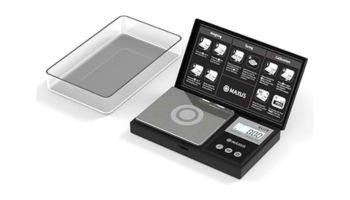
Specific Gravity Gram Scale
For the “Jack” method of testing silver and gold, you need a scale that is accurate to 0.01 grams. These pocket-sized scales allow you to perform density tests in the field to spot fakes.
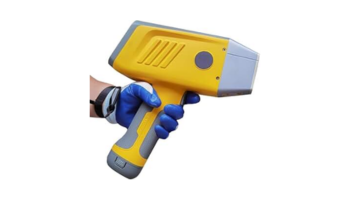
XRF Spectrometer
This is the “Holy Grail” of the trade. While expensive, a handheld X-ray gun tells you the exact chemical makeup of any alloy in five seconds. It turns a “mystery metal” into a guaranteed payday.
The “Secret Sauce”: The “File and Magnet” Lanyard
Did you know? The most effective tool in my kit for sixty years is something I made for fifty cents. I keep a small, high-quality metal file and a rare-earth magnet tied to a lanyard around my neck.
The Tip: In the yard, your hands are usually full. Having your “truth tellers” hanging right there saves you from reaching into your pockets a hundred times a day. Magnet first to check for steel; file second to check for “cladding” or plating. If you see a bright white spark when you file that “brass” valve, you know it is just plated zinc. It is a simple setup that has saved me from thousands of bad buys.
Integrity and the Trade
Always play it straight with your tools. If you are using your own scale to verify a yard’s weight, make sure your scale is “Certified” or at least calibrated regularly with a known weight. If you walk into a yard and start arguing over a weight with a scale that has not been tested, you are going to lose your reputation fast.
Always check your local laws regarding the use of certain tools, especially torches or grinders, in public spaces. Stay legal, keep your tools sharp, and respect the material.
The links above lead to tools that you can more easily find on Amazon rather than doing even more driving around town. The yard may make a commission that will go toward keeping this website free. I do not expect you to have every tool listed by tomorrow. Hell, it took me years to get the tools that I have. If you have ever wished for a list specifically outlining what tools do you need to scrap metal at home, it is up top.
***
Ulysses’ Safety Reminder: The more powerful the tool, the more respect it needs. Power wire strippers and electric shears do not know the difference between a copper wire and a finger. Always wear your safety glasses and “Cut-Level 5” gloves when processing metal. And never – and I mean never – use a tool for a job it was not built for. A snapped blade or a flying bolt can end your career in a heartbeat. Stay sharp and stay safe out there.